All Categories
Featured
Small companies need to concentrate on three priorities: developing clear ownership of IT decisions (even if one individual holds multiple functions), protecting sensitive information through standard security controls and compliance checks, and lining up innovation spending with business strategy. A lightweight variation of COBIT or the ISO/IEC 38500 requirement for business governance of IT provides a useful starting structure without demanding a big devoted group.
Is the IT Budget Ready for 2026?
Efficient IT governance is not a regulatory problem - it is a competitive lever. Organizations that implement it well make quicker, better-informed technology decisions, protect themselves from expensive risk events, and extract more value from every IT investment. The five-step technique described here - examine, specify authority, select a framework, build a roadmap, and measure outcomes - offers a useful course from intent to execution.
Whether your organization is building an IT governance strategy from scratch or strengthening an existing structure, the foundation is the exact same: clear accountability, the ideal structure, and a dedication to continuous improvement. FAQ What is an IT governance execution strategy?+An IT governance implementation plan is a structured roadmap that specifies the policies, roles, decision-making procedures, and frameworks a company will utilize to align IT operations with business strategy.
Establishing Effective IT Cost Governance Structures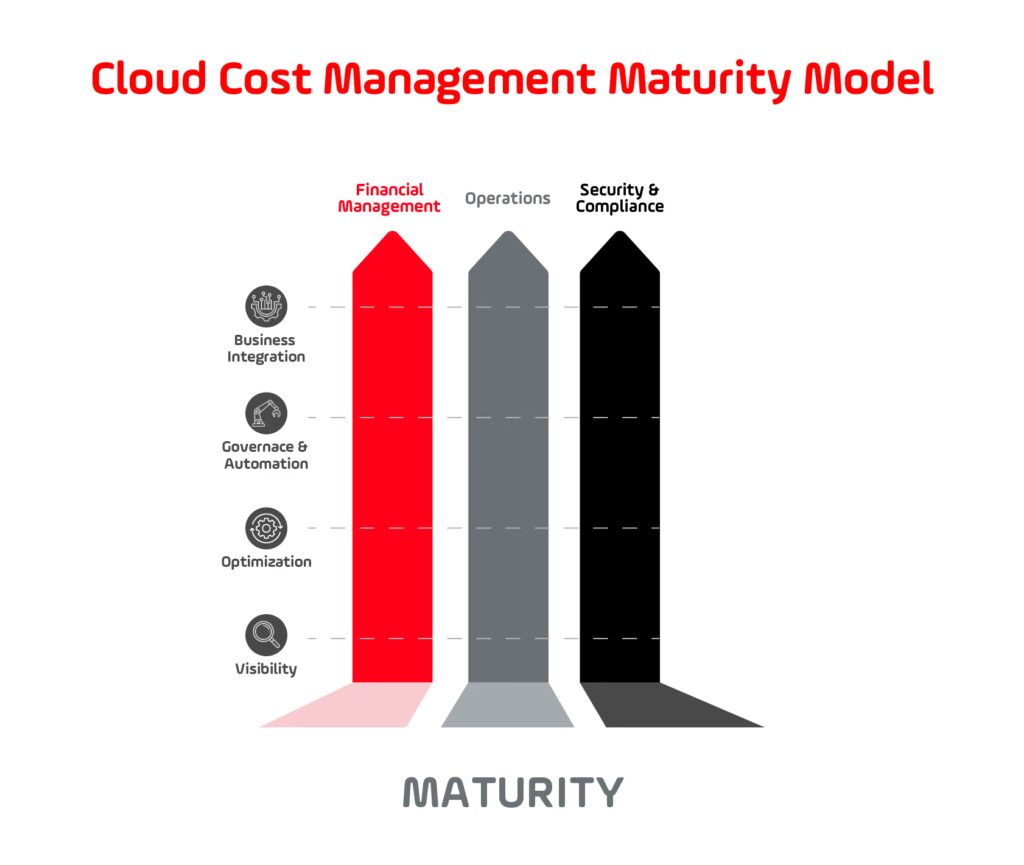
What are the best IT governance frameworks to execute?+The most widely embraced IT governance structures are COBIT (Control Objectives for Information and Related Technology), ITIL (Info Technology Facilities Library), ISO/IEC 38500 for corporate governance of IT, and CMMI (Ability Maturity Model Integration). The best option depends upon your organization's size, market, threat profile, and existing procedures.

Latest Posts
Measuring IT Efficiency Through Advanced Governance Metrics
Achieving Total Resource Allocation in 2026
Scaling Multi-Cloud Infrastructure Portfolios in 2026